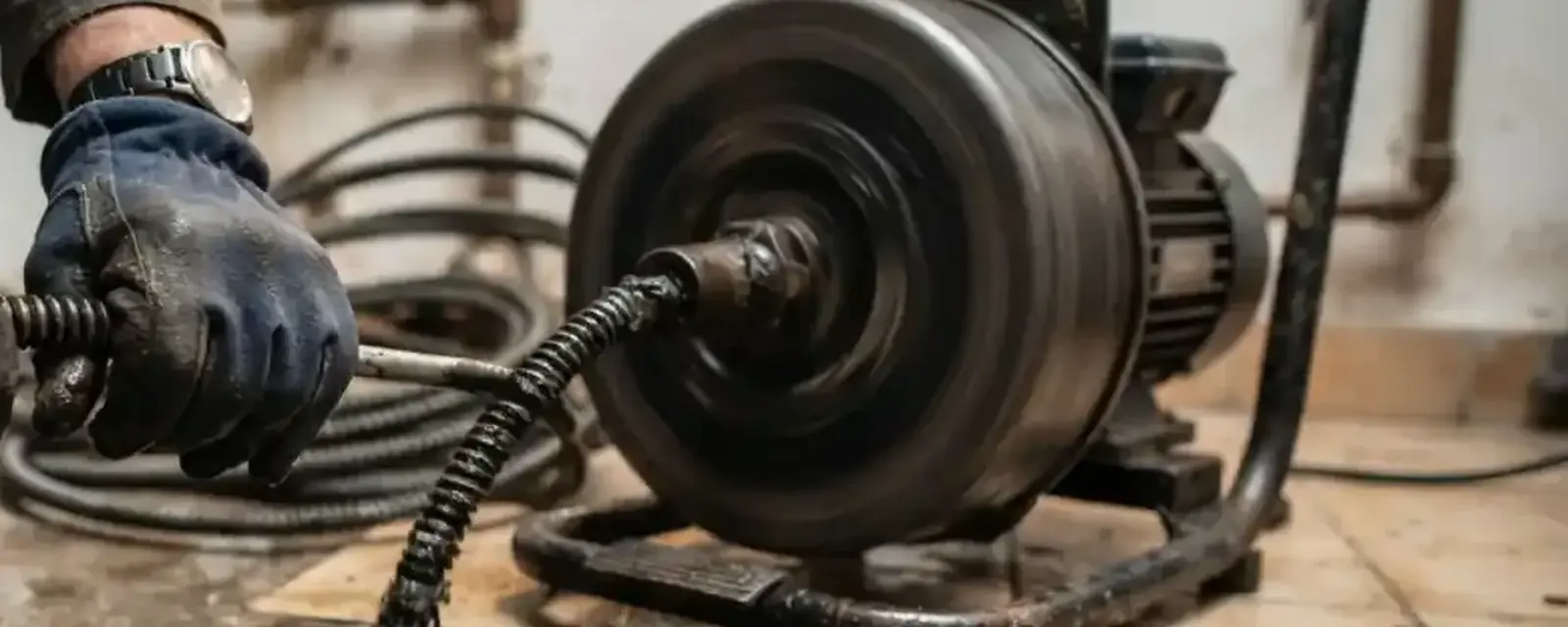
An enzyme drain cleaner is a product made with bacteria or enzymes that digest organic residue like grease, soap film and food scraps. In Lawrence, MA, it works best as slow maintenance on a drain that is still flowing, not as a rescue for a full clog. It is gentle on pipes and safe to use around families, but it takes hours or days to work.
Here is what it can and cannot do, how to apply it, and the signs that mean you need a plumber.
Enzyme cleaner versus a chemical drain opener
The two products solve different problems. Knowing which one you need saves money and pipes.
Enzyme or bio-based cleaner
- Digests grease, soap film and food residue over hours
- Mild on metal, plastic and old porcelain
- Best for slow drains and monthly upkeep
- No fumes or heat, but no help with hair, paper or roots
- Often sold for kitchen lines and grease-prone traps
Chemical drain opener
- Works fast through heat or strong chemistry
- Can damage old pipe, fittings and finishes
- Leaves hazardous standing water if it fails
- Never mix with any other cleaner
- A plumber must work around it safely afterward
For most households the enzyme route is the lower-risk choice for upkeep. For a drain that is fully blocked, neither product is the best answer. A cable machine or a drain cleaning visit removes the blockage itself.
What an enzyme cleaner can break down
Look at the label and match it to what is actually in your pipe.
Kitchen grease film
Cooking fats cool and stick to the trap and the pipe wall. Enzymes digest this layer slowly, which can reduce smells and sluggish flow.
Soap scum and body oils
Bathroom sinks and tubs build a slick coating around the stopper area. A bio product softens that coating so it rinses away.
Food scraps in a disposal line
Small bits that settle below a disposal can ferment and smell. A nightly dose can help keep that residue from building.
Odor sources in rarely used drains
A floor drain or spare tub trap may dry out or collect film. Enzymes help with the smell, and a cup of water refills the trap seal.
None of these cases include a solid object or a wad of hair. For those, the blockage must be pulled or cut out.
How to apply it so it has a chance to work
Directions vary by product, so follow the label. These habits help any of them.
Start with a clear opening
Remove the stopper and any hair you can reach. Enzymes cannot digest hair, so take it out first.
Dose at night
Pour in the labeled amount just before bed, when no one will run water for six to eight hours. That gives the product time to sit in the trap and pipe.
Skip the hot water
Very hot or boiling water can kill the bacteria in some products. Use lukewarm water for the first flush the next morning.
Repeat weekly for a month
A single dose rarely changes a drain that has years of film. Four weekly doses is a fair trial. If flow does not improve, stop.
Slow drain that enzymes did not fix?
A licensed plumber can clear it with a cable machine and tell you if the pipe needs more attention.
Shared drains in Lawrence's multi-unit buildings
The City of Lawrence Housing Production Plan reports about 28,065 housing units, with 28 percent in three- and four-unit buildings and 12 percent in two-unit buildings. About 72 percent of units are renter-occupied. Many of those buildings share a single kitchen or bath drain stack among several apartments.
So if a drain slows in one unit, the cause may be upstream or downstream of you in a shared line. A bottle of enzyme cleaner in your sink will not reach a clog two floors below. Tell your landlord or property manager, and ask a plumber to look at the stack.
Source type: City of Lawrence Housing Production Plan
A quick decision guide
Use this to decide whether an enzyme product is worth buying.
| Situation | Enzyme cleaner | Better move |
|---|---|---|
| Kitchen sink drains slowly, smells of grease | Reasonable to try | Hot tap water flush first |
| Bathroom sink slow for months | Helps after hair is removed | Pull the stopper |
| Water stands in the sink | Not useful | Plunger, then plumber |
| Several fixtures back up | Not useful | Call for a main line check |
| Basement floor drain smells | Can help with the odor | Refill the trap with water |
| Septic system | Check with the system's service company | Ask before adding any product |
Even gentle products should not replace a camera look at a line that keeps clogging.
Septic and sewer connections
Sewer-connected Lawrence properties drain into the city system, and the flow goes to the Greater Lawrence Sanitary District plant in North Andover. A bio cleaner in a sewer-connected home just becomes part of that flow. In nearby towns where some properties are on septic systems, such as parts of North Andover, ask a septic service company about any additive. Title 5 inspections are required within two years before a sale in Massachusetts.
Do not pour any cleaner into a sump pit or a basement floor drain that is meant to carry stormwater. The Greater Lawrence Sanitary District tells homeowners to keep sump pumps and basement drains out of the sanitary sewer. Most enzyme cleaner labels give guidelines for slow drains and routine upkeep, not for a drain that is fully blocked.
When the real problem is a line, not a film
A drain that slows again within days of any cleaner is usually telling you something about the pipe. Grease buildup in a long kitchen line may call for hydro jetting, which scrubs the pipe wall with high-pressure water.
Offsets, cracks and roots need a camera and a repair, not more product. If your home is in Methuen or Haverhill and the same drain keeps slowing, we serve those towns too.
Enzyme drain cleaner questions
Most take several hours to a few days, and many need repeat doses. If the drain is no better after about four weekly doses, the cause is probably not grease.
No. A toilet clog is usually paper or an object in the trap. A plunger or auger is the right tool, and a toilet that clogs often can point to a line problem.
Enzyme products are generally mild on metal and plastic pipe, which is why they suit older buildings. They do nothing for a cracked or collapsed section, which needs a plumber to inspect.
Wait and flush the drain with plenty of water first, and read the label. If a chemical opener failed and water is standing, call a plumber instead of adding more products.
No. Pouring a cleaner is not plumbing work. Clearing a clog is one of the few things that does not need a permit, but anything that repairs or replaces pipe does.